

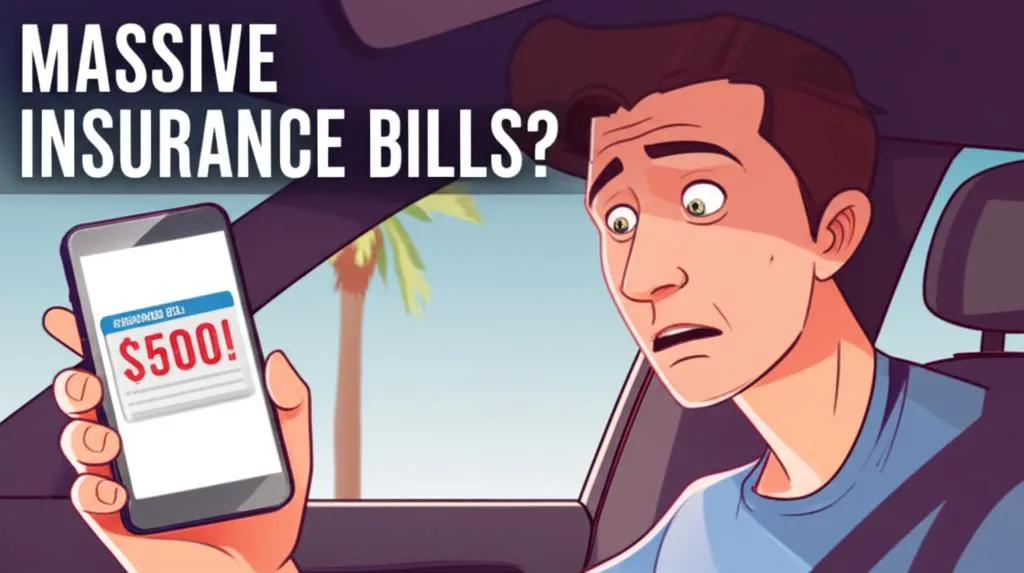
Last month, California insurance companies sent out renewal notices that had drivers across the state doing double-takes. Average premiums jumped 35-50% overnight, and it wasn't because of accidents or claims. The culprit? New state laws that just doubled most insurance requirements – and nobody prepared drivers for the financial shock.
If you're one of the millions of California drivers wondering why your insurance bill exploded, you're not alone. And more importantly, you're not powerless. Here's everything you need to know about these changes and how to protect your wallet.
The Bottom Line: What You're Actually Required to Carry Now
Let's cut through the insurance speak – California wants proof that you can pay for damage you cause to other people. That's it. Not fancy coverage for your own car, just evidence you won't stick other drivers with bills if you mess up.
Here's what changed on January 1st, 2025:
Before 2025: - $15,000 per person you injure - $30,000 total per accident for injuries - $5,000 for property damage
Now in 2025: - $30,000 per person you injure - $60,000 total per accident for injuries - $15,000 for property damage
Coming in 2035: - $50,000 per person you injure - $100,000 total per accident for injuries - $25,000 for property damage
Why the increases? Because a basic fender-bender repair now costs what used to buy an entire car. The old limits were set when flip phones were cutting-edge technology.
Smart Ways to Prove You're Covered (Without Getting Hassled)
You've got options for showing cops and other drivers that you're legit. The trick is picking what works for your lifestyle.
Your Phone Is Legal Proof Screenshots, apps, PDFs – they all count. Just make sure whatever you use shows your coverage amounts and policy dates clearly. Pro tip: Save your insurance card to your phone's home screen so you're not fumbling through apps during a traffic stop.
Old-School Cards Still Work Best Yeah, physical cards seem outdated, but they never run out of battery or lose signal. Keep one in your glove compartment and another in your wallet. You'll thank yourself when your phone dies at the worst possible moment.
Alternative Routes for Special Situations Got serious money? You can skip traditional insurance entirely by depositing $75,000 with the DMV or getting a surety bond. Fleet owners and businesses can also get self-insurance certificates. Just know these options require different paperwork than regular insurance cards.
How Much This Will Actually Cost You (And How to Pay Less)
The premium increases are real, but they don't have to destroy your budget. Here's how smart shoppers are handling it:
Shop Like Your Wallet Depends on It Start looking for new coverage 45 days before your current policy expires. Insurance companies are competing hard for customers right now, and loyalty doesn't pay. One driver in San Diego cut his premium by 30% just by switching companies – same coverage, different logo.
Let Technology Track Your Good Driving Those apps that monitor how you drive? They're actually worth it now. Programs like Progressive's Snapshot or State Farm's Drive Safe & Save can knock serious money off your bill if you're not a speed demon. Perfect for commuters who drive predictably or anyone who doesn't rack up tons of miles.
Time Your Shopping Right Insurance rates change constantly. Companies adjust prices based on claims, weather, even time of year. What costs a fortune with Company A in January might be a bargain with Company B in March.
What Happens When Things Go Wrong
California doesn't mess around with insurance violations. Get caught driving uninsured and you're looking at:
- Minimum $500 fine (your first time)
- $100 in reinstatement fees
- 90-day license suspension
- Vehicle impoundment (with storage fees that add up fast)
But here's the kicker – even if you have insurance but can't prove it during a traffic stop, you get cited. Most courts will reduce penalties if you show up with valid documentation, but you still have to take time off work and deal with the bureaucracy.
The Repeat Offender Trap Second violations mean longer suspensions and mandatory SR-22 filing. That's a certificate proving you maintain coverage, and it comes with filing fees plus typically higher premiums for three years minimum.
Protection That Actually Protects You
Here's the uncomfortable truth: even the new minimums might leave you financially exposed in a serious accident. Medical bills for major injuries routinely hit $200,000 or more. Vehicle repairs involving newer cars with all their safety technology can easily exceed $30,000.
Think about it this way – if you cause an accident involving multiple people and several late-model vehicles, your $60,000 in injury coverage and $15,000 in property coverage could get eaten up fast. Everything beyond that comes out of your pocket.
Consider Going Higher Many insurance experts suggest 100/300/100 coverage ($100K per person, $300K per accident for injuries, $100K for property damage) as more realistic protection. The premium difference is often smaller than you'd expect.
Umbrella Insurance Makes Sense For a couple hundred dollars a year, umbrella policies can give you an extra $1-2 million in liability protection beyond your auto coverage. If you own a house or have significant assets, it's cheap protection against worst-case scenarios.
Your Action Plan for 2025
Right Now: - Check your current policy documents to make sure you meet the new minimums - Download your insurance company's app and test the digital proof feature - Confirm your insurer reports your coverage electronically to the DMV
This Month: - If your renewal is coming up, start shopping for quotes at least 45 days early - Look into usage-based insurance programs if you're a safe driver - Consider whether higher coverage limits make sense for your situation
This Year: - Set calendar reminders for policy renewals so you never get stuck with auto-renewal pricing - Review your coverage annually as repair costs and medical expenses keep climbing - Stay informed about the 2035 increases so you can plan ahead instead of getting surprised again
The Real Story Behind These Changes
These aren't arbitrary government money grabs. California finally acknowledged that insurance minimums from the early 2000s had become meaningless in today's economy. When the old limits were set, you could get decent medical care for $15,000 and fix most cars for under $5,000. Today, those amounts barely cover a minor injury and basic paint work.
Senator Nancy Skinner, who wrote the legislation, pointed out that inflation alone made the old limits dangerously low. What $15,000 bought in 2000 requires about $26,000 today. The new minimums actually represent catch-up, not expansion.
The scheduled 2035 increases signal California's commitment to keeping coverage relevant instead of letting it stagnate for another two decades.
Bottom Line
California's insurance changes hit everyone's budget, but informed drivers are finding ways to manage the impact without sacrificing protection. The key is understanding your options and shopping strategically instead of just accepting whatever your current company offers.
These new requirements represent California's recognition that cheap insurance that doesn't actually protect anyone serves nobody well. While your premiums might be higher, you're also getting coverage that might actually help if something serious happens.
Start shopping early, consider technology-based discounts, and think carefully about whether minimum coverage really protects your financial situation. The goal isn't just legal compliance – it's making sure one bad day on the freeway doesn't derail your financial future.
Sources:
-
California Department of Motor Vehicles. (2024). Insurance Requirements. Retrieved from https://www.dmv.ca.gov/portal/vehicle-registration/insurance-requirements/
-
California Department of Insurance. (2025). New Year Means New Changes for Insurance. Retrieved from https://www.insurance.ca.gov/0400-news/0102-alerts/2025/New-Year-Means-New-Changes-for-Insurance.cfm
-
AAA Auto Club. (2024). California 2025 Insurance Coverage Minimums. Retrieved from https://www.ace.aaa.com/insurance/advocacy/california-2025-insurance-coverage-minimums.html
-
Fielding Law Firm. (2025). California Vehicle Insurance Requirements. Retrieved from https://fieldinglawfirm.com/california-vehicle-insurance-requirements/
-
Estrada Law Group. (2025). California's New Minimum Auto Insurance Requirements for 2025. Retrieved from https://www.estradalawgroup.com/blog/californias-new-minimum-auto-insurance-requirements-for-2025-what-you-need-to-know