

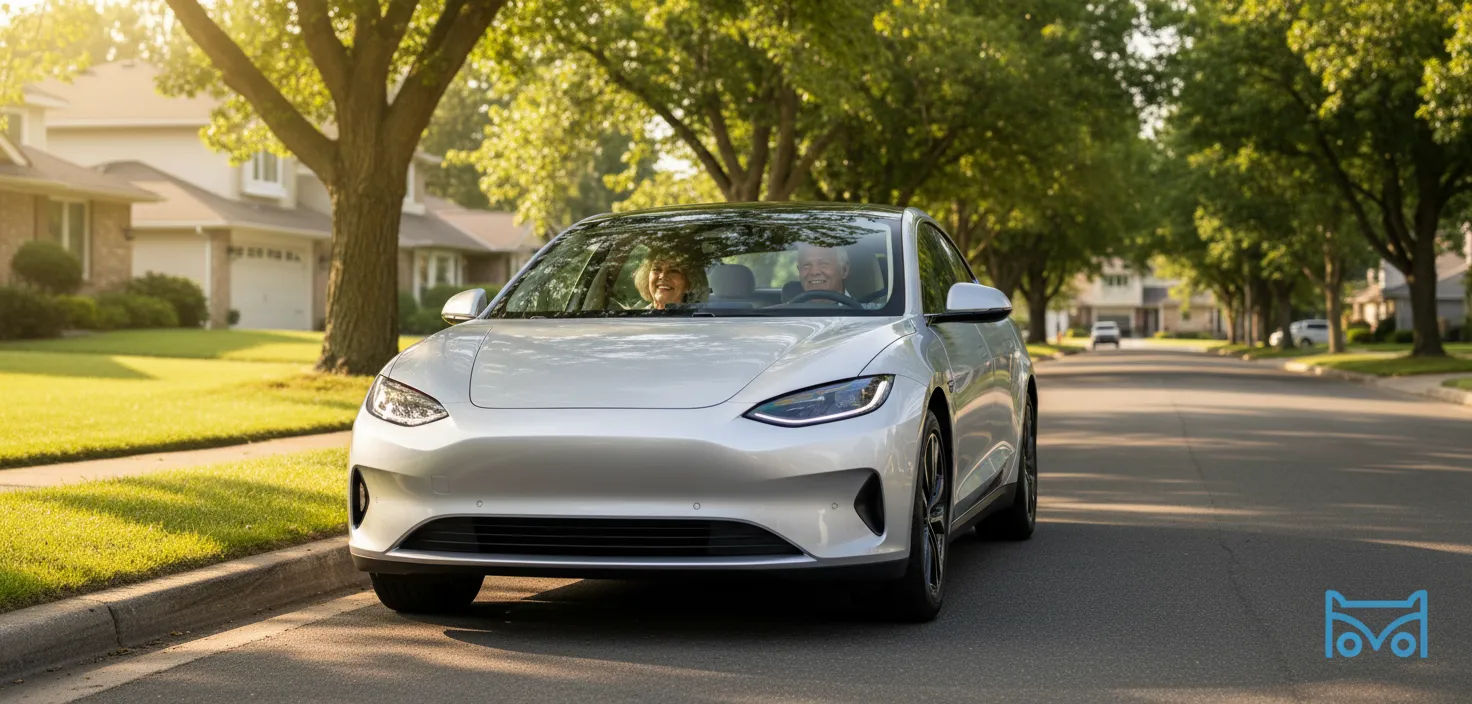
Finding affordable car insurance becomes a top priority for many Americans as they enter their golden years. The good news? Seniors often qualify for some of the best auto insurance rates available, with premiums as low as $41 per month from top providers. This comprehensive guide will help you navigate the world of senior auto insurance, compare the cheapest options, and maximize every discount available to you.
Understanding Auto Insurance Costs for Seniors
Car insurance rates for seniors follow an interesting pattern. Premiums typically decrease as you enter your 50s and 60s, thanks to decades of driving experience and statistically safer driving habits. However, rates may begin to increase again after age 70 as insurers factor in age-related risks.
Here is what seniors can expect to pay on average:
- Ages 55-64: Approximately $99 per month ($1,188 annually)
- Age 65: Around $44 per month for minimum coverage
- Age 70: About $47 per month for minimum coverage, or $2,623 annually for full coverage
- Age 75 and older: Approximately $52 per month for minimum coverage
These averages vary significantly based on your location, driving record, vehicle type, and chosen coverage levels. The key to finding cheap auto insurance is understanding what factors you can control and which companies offer the best rates for your specific situation.
Cheapest Auto Insurance Companies for Seniors
Not all insurance companies price senior drivers equally. Our research reveals significant price differences between providers, making comparison shopping essential.
Top Affordable Insurers for Seniors
GEICO consistently ranks as the cheapest option for senior drivers, offering minimum coverage starting at just $41 per month. With full coverage averaging $184 monthly, GEICO provides rates approximately 36% below the national average. Their Prime Time contract offers drivers 50 and older guaranteed renewal, protecting you from being dropped as you age.
State Farm comes in as the second most affordable option at around $43 per month for minimum coverage. State Farm is known for excellent customer service and a wide network of local agents who can provide personalized assistance.
Travelers rounds out the top three with rates starting at approximately $50 per month. They offer competitive rates combined with strong financial stability and responsive claims handling.
Auto-Owners Insurance deserves mention for seniors seeking exceptional customer service alongside competitive pricing. While not available in all states, those who can access their coverage often find excellent value.
Nationwide stands out for their SmartMiles pay-per-mile program, ideal for retirees who no longer commute daily. Users who drive 500 miles or less per month save an average of 28% compared to traditional policies.
Premium Comparison by Provider
When comparing full coverage rates for senior drivers, here is what the major insurers typically charge:
- GEICO: $184/month for full coverage (36% below average)
- Farmers: $167/month for full coverage (38% below average)
- Allstate: $184/month for full coverage (31% below average)
- Progressive: $200/month for full coverage (25% below average)
- State Farm: $215/month for full coverage (19% below average)
The national average for full coverage sits around $270 per month ($3,236 annually), while liability-only coverage averages $135 monthly ($1,617 annually). Shopping among these top providers can save you hundreds or even thousands of dollars each year.
Senior-Specific Discounts That Save You Money
One of the biggest advantages seniors have when shopping for auto insurance is access to age-specific discounts. These can reduce your premiums by 5% to 30% when combined strategically.
Defensive Driving Course Discount
This is one of the most valuable discounts available to seniors. Many states actually require insurance companies to offer reduced rates to drivers who complete approved defensive driving or accident prevention courses. Savings typically range from 5% to 16%, with Allstate offering the highest discount at 16%. The discount usually remains valid for three years before you need to retake the course.
AARP offers a Smart Driver course specifically designed for drivers 50 and older. Online and in-person options make this accessible regardless of your location or mobility.
Low-Mileage Discount
Retirement often means driving less, which translates directly into lower premiums. If you drive fewer than 7,500 miles annually, you likely qualify for a low-mileage discount. Some insurers offer even better rates for those driving under 5,000 miles per year.
Usage-based insurance programs take this further by tracking your actual driving through a smartphone app or plug-in device. These telematics programs reward safe driving habits with additional savings of 10% to 30%.
Multi-Policy Bundling
Bundling your auto insurance with homeowners or renters insurance from the same company can save you 25% to 30% on your combined premiums. For seniors who own their homes outright, this often represents significant savings on both policies.
Pay-in-Full Discount
If you can afford to pay your entire premium upfront rather than monthly, most insurers offer a 5% to 10% discount. This simple change can save you $60 to $120 annually on a typical policy.
Retired Federal Employee Discount
GEICO offers special rates for retired federal and military employees. If you served in the government or armed forces, be sure to ask about these exclusive discounts.
AARP Membership Benefits
The Hartford has partnered with AARP since 1984 to offer exclusive auto insurance benefits to members. While you do not need AARP membership to purchase from The Hartford, members receive additional perks including:
- Lifetime renewability guarantee
- New car replacement for vehicles less than 15 months old
- 12-month rate lock
- RecoverCare benefits for post-accident assistance
State-by-State Considerations
Where you live dramatically impacts your auto insurance costs. Hawaii offers the cheapest rates nationwide at approximately $47 per month, while states like Michigan, Louisiana, and Florida tend to have the highest premiums.
Some states have specific protections for senior drivers:
- Florida: Requires insurers to offer defensive driving discounts to drivers 55 and older
- California: Proposition 103 limits how insurers can use age as a rating factor
- New York: Mandates accident prevention course discounts for all ages
- Pennsylvania: Requires a 5% discount for completing approved driving courses
Check with your state insurance commissioner office to understand which discounts are legally required in your area. You may be entitled to savings your insurer has not proactively offered.
How Driving Record Affects Senior Insurance Rates
Your driving history remains the single most important factor in determining your premiums at any age. Here is how violations impact typical senior driver rates:
- Clean driving record: $86/month average
- One speeding ticket: $112/month (+$26)
- At-fault accident: $134/month (+$48)
- DUI conviction: $166-$208/month (+$80 to $122)
Maintaining a clean driving record is the most effective way to keep your premiums low. Most violations affect your rates for three to five years, so one mistake can cost you hundreds in additional premiums over time.
Options for High-Risk Senior Drivers
If you have violations on your record, do not assume you cannot find affordable coverage. Companies like Progressive and The General specialize in insuring higher-risk drivers. GEICO also remains competitive even for drivers with imperfect records.
Consider taking a defensive driving course immediately after any violation. Not only will this provide an immediate discount, but it demonstrates responsibility to insurers and may help offset the rate increase.
Choosing the Right Coverage Levels
While finding cheap insurance is important, inadequate coverage can prove far more expensive in the long run. Financial experts recommend seniors carry at least 100/300/100 liability coverage:
- $100,000 per person for bodily injury
- $300,000 per accident for total bodily injury
- $100,000 for property damage
This level of protection safeguards your retirement savings and assets from potential lawsuit judgments. State minimum coverage often provides only $25,000 to $50,000 in liability protection, which may not cover serious accident damages.
When to Consider Dropping Comprehensive and Collision
If your vehicle is worth less than $4,000, the cost of comprehensive and collision coverage may exceed potential benefits. To decide, add up your annual comprehensive and collision premiums and multiply by three (a typical claim-free period). If this total exceeds your car value, consider dropping these coverages and saving for a replacement vehicle instead.
Medical Payments and Personal Injury Protection
Seniors with Medicare coverage may already have adequate medical protection. However, medical payments coverage (MedPay) or personal injury protection (PIP) can still prove valuable by covering deductibles, copays, and expenses Medicare does not cover after an accident.
Tips for Getting the Cheapest Rates
Follow these strategies to minimize your auto insurance costs:
1. Compare at Least Three Quotes
Insurance companies constantly adjust their rating methods, so the cheapest option changes frequently. Get quotes from at least three insurers before renewing, and repeat this process annually. Online comparison tools make this process quick and painless.
2. Ask About Every Possible Discount
Insurers do not always automatically apply discounts. Specifically ask about:
- Senior or mature driver discounts
- Defensive driving course completion
- Low-mileage rates
- Multi-policy bundling
- Good driver rewards
- Anti-theft device discounts
- Safety feature discounts (airbags, anti-lock brakes, backup cameras)
- Membership affiliations (AARP, AAA, alumni associations)
3. Choose Your Vehicle Wisely
If you are considering a new vehicle, research insurance costs before purchasing. Sedans and minivans typically cost less to insure than SUVs or sports cars. Vehicles with high safety ratings and advanced driver assistance features also qualify for lower rates.
4. Raise Your Deductible
Increasing your deductible from $500 to $1,000 can reduce your comprehensive and collision premiums by 15% to 30%. Just ensure you have savings to cover the higher deductible if needed.
5. Maintain Continuous Coverage
Gaps in insurance coverage can significantly increase your rates. Even if you rarely drive, maintaining at least minimum coverage preserves your continuous coverage discount and keeps rates stable.
6. Review Your Policy Annually
Your insurance needs change over time. Review your policy each year to ensure you are not paying for unnecessary coverage or missing new discount opportunities.
Special Programs for Senior Drivers
Pay-Per-Mile Insurance
For seniors who drive infrequently, pay-per-mile programs offer exceptional value. Nationwide SmartMiles, Metromile, and Mile Auto charge a low base rate plus a small per-mile fee. If you drive less than 500 miles monthly, you could save 28% or more compared to traditional policies.
Usage-Based Insurance
Programs like Progressive Snapshot, Allstate Drivewise, and State Farm Drive Safe and Save monitor your driving habits through an app or device. Safe drivers who avoid hard braking, late-night driving, and excessive speeding earn discounts of 10% to 30%.
Group Insurance Programs
Beyond AARP, many organizations offer group insurance rates to members:
- Costco partners with CONNECT (American Family) for member discounts
- AAA offers competitive rates through their regional insurance companies
- Credit unions often have partnerships with insurers offering member discounts
- Professional associations and alumni groups may provide group rates
When Insurance Costs Become Unmanageable
If your insurance costs have risen dramatically and shopping around has not helped, consider these options:
State Assigned Risk Plans: Every state offers a plan of last resort for drivers who cannot obtain coverage in the standard market. While rates are higher, this ensures you can maintain legal coverage.
Reduce Driving: If insurance costs are prohibitive, consider whether you need to own a vehicle. Ride-sharing services, public transportation, and rides from family members may be more economical than maintaining a car and insurance.
Volunteer Driver Programs: Many communities offer volunteer driver programs for seniors who no longer drive. Organizations like ITN America coordinate rides for older adults.
Frequently Asked Questions
At what age do car insurance rates go down for seniors?
Insurance rates typically decrease through your 50s and reach their lowest point around age 65. After 70, rates may begin increasing again, though seniors with clean driving records and appropriate discounts can still find very affordable coverage.
Does Medicare affect my auto insurance?
Medicare does not directly affect your auto insurance rates. However, having Medicare coverage may reduce your need for high medical payments limits on your auto policy, potentially saving you money.
Can I be dropped from my insurance because of my age?
While insurers generally cannot drop you solely due to age, they can choose not to renew your policy based on claims history or driving record. Companies like GEICO offer Prime Time contracts with guaranteed renewal for drivers 50 and older, providing protection against age-based non-renewals.
How much can I save with a defensive driving course?
Defensive driving courses typically save 5% to 16% on your premiums. On a $1,200 annual policy, that translates to $60 to $192 in yearly savings. Since courses cost $20 to $50 and discounts last three years, the return on investment is substantial.
Taking Action: Your Next Steps
Finding cheap auto insurance as a senior requires some effort, but the potential savings make it worthwhile. Start by gathering quotes from GEICO, State Farm, and Travelers, the three consistently cheapest options for senior drivers. Ask each insurer about every available discount, and do not hesitate to mention competitor quotes to negotiate better rates.
Complete a defensive driving course if you have not recently, as this single step can save you hundreds over the next three years. Review your coverage levels to ensure you are adequately protected without overpaying for unnecessary coverage.
Finally, make comparison shopping an annual habit. Insurance rates change frequently, and your cheapest option today may not be your best choice next year. By staying proactive about your auto insurance, you can enjoy reliable coverage at rates that fit your retirement budget.