

Why Classic Car Insurance Is Different for Young Drivers
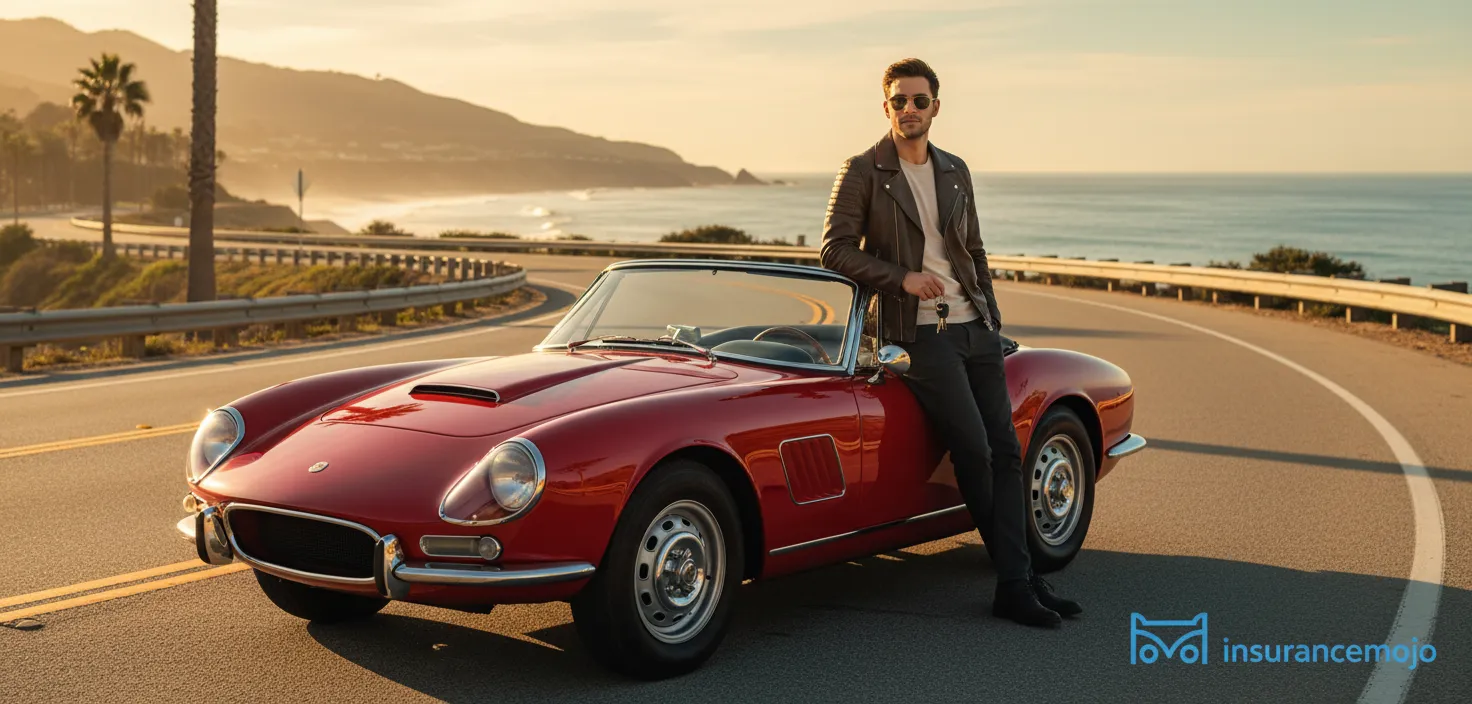
Owning a classic car as a young driver is a badge of honor. Whether you inherited a 1967 Mustang from your grandfather, spent summers restoring a vintage Camaro, or saved up to buy your dream muscle car, that vehicle represents more than transportation. It represents passion, craftsmanship, and automotive history.
However, insuring that classic car when you are under 25 presents unique challenges. Most specialized classic car insurers have strict age requirements, often requiring drivers to be at least 25 years old. This leaves young enthusiasts in a frustrating position: they own vehicles that deserve specialized coverage but cannot access the policies designed for them.
The good news is that options exist. With the right approach, young drivers can secure adequate coverage for their classic vehicles, though it requires more effort and strategic planning than older collectors typically face.
Understanding Classic Car Insurance Requirements
Before exploring solutions, it helps to understand why classic car insurance works differently from standard auto insurance and what requirements typically apply.
Vehicle Age and Eligibility
Classic car insurance is designed for vehicles that meet certain criteria. Generally, insurers require vehicles to be at least 15 to 25 years old, though definitions vary. Some policies specifically cover:
- Antique vehicles (typically 25+ years old)
- Classic cars (usually 15-24 years old)
- Collector vehicles with limited production runs
- Modified or custom vehicles that have been restored
- Vintage motorcycles and other specialty vehicles
Your 1995 Honda Civic probably does not qualify, but a 1972 Chevelle or 1969 Volkswagen Beetle likely does.
Driver Requirements That Affect Young Enthusiasts
Here is where young drivers encounter the most significant obstacles. Specialized classic car insurers typically require:
- Minimum age of 25: Most major classic car insurers including Hagerty, American Collectors, and Grundy require drivers to be at least 25 years old
- Clean driving record: No at-fault accidents or major violations within the past 3-5 years
- Proof of regular vehicle: Many insurers require you to have a separate daily driver with standard insurance
- Secure storage: The classic car must be stored in a garage or covered structure
- Limited mileage: Annual mileage restrictions typically range from 1,000 to 5,000 miles per year
These requirements exist because classic car insurance operates on the assumption that these vehicles are driven infrequently and treated with exceptional care. Insurers view young drivers as statistically higher-risk, which conflicts with this model.
Coverage Types You Need to Understand
Whether you qualify for specialized classic car insurance or must use alternatives, understanding coverage types helps you make informed decisions.
Agreed Value vs. Actual Cash Value
This distinction is crucial for classic car owners. Standard auto insurance uses actual cash value (ACV), which pays the depreciated market value of your vehicle at the time of loss. For a 50-year-old muscle car that you have spent 35,000 dollars restoring, ACV might only pay 8,000 dollars based on the vehicle age.
Agreed value coverage, the standard for specialized classic car policies, works differently. You and the insurer agree on your vehicle value upfront, typically based on appraisals and market comparisons. If your car is totaled, you receive that full agreed amount without depreciation deductions.
For example, if you agree your 1968 Dodge Charger is worth 75,000 dollars and it is destroyed in a covered incident, you receive 75,000 dollars. Period. This protection is essential for vehicles whose true value far exceeds what standard insurance would pay.
Essential Coverage Components
A comprehensive classic car policy should include:
- Comprehensive coverage: Protects against theft, fire, vandalism, weather damage, and other non-collision events
- Collision coverage: Covers damage from accidents with other vehicles or objects
- Liability coverage: Pays for injuries and property damage you cause to others (required in all states)
- Spare parts coverage: Protects replacement parts, accessories, and tools stored separately from the vehicle
- Flatbed towing: Ensures proper transport that does not damage vintage drivetrains
Options for Young Drivers Seeking Classic Car Coverage
Now for the practical solutions. While the path is more challenging, young drivers have several viable options for insuring their classic vehicles.
Option 1: Add to Parents Insurance Policy
This approach often provides the most affordable path to coverage. If your parents have an existing classic car policy or are willing to add one, you can potentially be listed as a driver on their policy.
Benefits of this approach:
- Access to specialized classic car coverage and agreed value protection
- Significantly lower premiums than independent policies
- Ability to build a claims-free record on a classic car policy
- Some insurers allow young drivers as secondary drivers on family policies even when they would not insure them independently
The vehicle would typically need to be registered in a parent name, and they would be the primary policyholder. This arrangement requires trust and family cooperation, but financially and practically, it often represents the best solution for drivers under 25.
Option 2: Standard Auto Insurance with Stated Value
When specialized classic car insurers will not provide coverage, standard auto insurers may offer policies with stated value endorsements. This is not identical to agreed value coverage, but it provides better protection than standard ACV policies.
Companies like State Farm, Progressive, and Allstate offer classic car programs or endorsements. Their requirements may be less stringent than specialized insurers, though premiums will be higher because they do not offer the same mileage-based discounts.
Expect to pay 1,200 to 2,500 dollars annually for a young driver insuring a classic car through a standard carrier, compared to 200 to 600 dollars for older drivers with specialized policies.
Option 3: High-Risk or Non-Standard Insurance Markets
If you have violations on your record or cannot qualify for standard coverage, non-standard insurance markets exist specifically for higher-risk drivers. Companies specializing in high-risk auto insurance may provide coverage, though at premium rates.
This should be considered a temporary solution while you build a cleaner driving record and age into eligibility for specialized coverage.
Option 4: Club-Affiliated Insurance Programs
Many classic car clubs have relationships with insurance providers that offer member benefits. Joining clubs like the Antique Automobile Club of America (AACA), Vintage Motor Car Club, or marque-specific organizations may provide access to insurance programs with more flexible eligibility requirements.
These programs recognize that club members, regardless of age, tend to be serious enthusiasts who treat their vehicles responsibly. Some clubs offer reduced rates or relaxed age requirements for members in good standing.
Strategies to Reduce Your Premium as a Young Driver
Regardless of which coverage option you pursue, several strategies can help reduce your insurance costs.
Maximize Available Discounts
Ask about every possible discount when shopping for coverage:
- Good student discount: Many insurers offer 10-25% off for students maintaining a B average or higher
- Driver education course: Completing defensive driving or driver improvement courses can reduce premiums by 5-15%
- Multi-policy discount: Bundling with your daily driver insurance or other policies can save 10-20%
- Payment discounts: Paying annually instead of monthly often saves 5-10%
- Professional organization memberships: Some insurers offer discounts for AAA members or professional associations
Invest in Security Features
Protecting your vehicle from theft directly impacts your insurance costs. Consider installing:
- Factory or aftermarket alarm systems
- GPS tracking devices (recovery systems like LoJack)
- Kill switches or fuel cutoff systems
- Steering wheel locks (The Club or similar)
- Secure garage storage with quality locks
These investments typically cost 100 to 500 dollars but can reduce comprehensive coverage premiums significantly while protecting your investment.
Limit Your Mileage Honestly
Classic car insurance premiums are heavily influenced by annual mileage. The less you drive, the lower your premium. Be honest about your expected mileage, but if you genuinely plan to drive your classic car only to shows and occasional weekend cruises, make sure your insurer knows.
Mileage tiers typically work as follows:
- Under 1,000 miles annually: Lowest premiums
- 1,000-2,500 miles annually: Moderate premiums
- 2,500-5,000 miles annually: Standard classic car rates
- Over 5,000 miles annually: May require daily driver coverage
Choose Your Vehicle Wisely
If you have not yet purchased your classic car, insurance costs should factor into your decision. Certain vehicles cost significantly more to insure due to theft risk, repair costs, or performance capabilities.
Generally more affordable to insure:
- American classics from major manufacturers (Ford, Chevrolet, Dodge)
- Vehicles with widely available replacement parts
- Lower-performance models from desirable years
- Trucks and utility vehicles from classic eras
Generally more expensive to insure:
- European sports cars (Ferrari, Porsche, Jaguar)
- High-performance muscle cars with big-block engines
- Rare limited-production vehicles
- Highly modified or resto-mod builds
State-Specific Considerations
Insurance regulations and classic car definitions vary significantly by state, which can affect your options as a young driver.
States with Favorable Classic Car Laws
Some states have specific provisions for collector vehicles that may benefit young owners:
California allows historical vehicle registration for cars manufactured in 1922 or earlier, with special provisions for vehicles 25+ years old. The state also has a robust collector car culture with many insurance options.
Florida does not require liability insurance for vehicles driven fewer than 3,000 miles annually and used exclusively for exhibitions, club activities, and parades. However, this leaves you without coverage, so insurance is still strongly recommended.
Texas offers antique vehicle registration for cars 25+ years old, which can affect insurance classification and costs.
Pennsylvania has one of the most collector-friendly registration systems, with antique plates available for vehicles 15+ years old.
No-Fault States
In no-fault insurance states like Michigan, New York, and New Jersey, personal injury protection (PIP) requirements can significantly increase classic car insurance costs. Young drivers in these states should expect higher premiums regardless of their vehicle type.
Building Toward Better Coverage
If you are currently unable to secure ideal coverage, focus on building a record that will qualify you for specialized classic car insurance in the future.
Maintain a Perfect Driving Record
Every year without accidents or violations improves your insurability. Avoid speeding tickets, at-fault accidents, and any moving violations. This is the single most important factor in qualifying for specialized coverage when you turn 25.
Document Your Vehicle History
Keep detailed records of your vehicle restoration, maintenance, and condition. Professional appraisals, receipts for parts and work, and photographs documenting the vehicle condition all support agreed value coverage when you qualify.
Join the Classic Car Community
Participation in car clubs, shows, and events demonstrates your commitment to the hobby. Some insurers consider club membership when evaluating applications, and the connections you make can provide valuable advice about insurance options.
What to Do If You Cannot Get Coverage
In rare cases, young drivers may find themselves unable to secure any reasonable coverage for their classic vehicle. If this happens:
- Consider storage: Keep the vehicle in secure storage until you can obtain coverage, rather than driving uninsured
- Work with an independent agent: Agents who work with multiple carriers may find options you would not discover on your own
- Explore surplus lines insurers: These companies specialize in risks that standard insurers will not cover
- Be patient: Your 25th birthday will eventually arrive, opening doors to specialized coverage
Making the Right Choice for Your Situation
Classic car insurance for young drivers requires more effort than simply calling a specialized insurer and getting a quote. However, with persistence and the right strategy, you can protect your vehicle adequately.
Start by exploring the parents policy option if available. If that is not possible, get quotes from standard insurers with stated value endorsements and club-affiliated programs. Compare coverage levels, not just premiums, and ensure any policy you choose provides adequate protection for your vehicle true value.
Your classic car represents an investment of money, time, and passion. Protecting that investment with proper insurance, even if it costs more or requires creative solutions, ensures that one accident does not destroy what you have worked to build.
As you gain experience and age into eligibility for specialized coverage, the options will expand and costs will decrease. Until then, focus on safe driving, proper documentation, and the strategies outlined above to secure the best coverage available for your situation.