
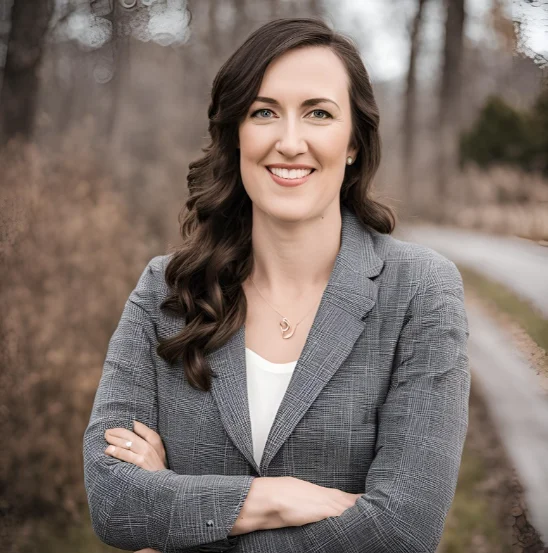

Republican gubernatorial candidate Tom Leonard proposed letting Michigan drivers fully opt out of the state's no-fault auto insurance system. Drivers who skip unlimited personal injury protection (PIP) coverage could sue at-fault drivers for medical bills instead. Michigan premiums have already fallen 18.8% since the 2019 no-fault reform, according to a Milliman study commissioned by DIFS.
- Leonard's plan would let drivers skip PIP entirely and rely on the tort (lawsuit) system to recover medical costs after a crash
- Michigan premiums dropped $357 per vehicle (18.8%) in the five years since the 2019 no-fault reform took effect
- Close to 30% of Michigan motorists have already opted out of unlimited medical coverage under the current tiered system
- Insurance agents and advocates gave the proposal mixed reviews at a roundtable event in DeWitt Township
What Leonard Is Proposing
Tom Leonard, a former Michigan House Speaker and current Republican gubernatorial candidate, unveiled his auto insurance reform plan at a roundtable event in DeWitt Township on April 13, 2026, according to Bridge Michigan. The proposal targets Michigan's no-fault system, which requires drivers' own insurance to cover medical costs after a crash regardless of who caused the accident.
Under Leonard's plan, motorists who choose not to purchase unlimited PIP coverage could sue the at-fault driver to pay their medical bills. Leonard described this as allowing drivers to "opt out" of the current no-fault framework entirely. The plan also includes a cap on non-economic damages to limit "nuclear verdicts," a mandate requiring insurers to pay medical expenses within 45 days of an auto accident, and a penalty of five times the owed amount for late disbursements.
Leonard told Bridge Michigan that auto insurance ranks as the third-most prominent issue he hears from voters, behind affordability and health care. He noted that no other candidate in the crowded GOP primary has proposed specific changes to Michigan's insurance law.
Michigan Premiums After the 2019 Reform
Michigan's current no-fault system already underwent major surgery in 2019, when Governor Gretchen Whitmer and Republican legislative leaders enacted the state's first significant reform since 1973. That law created a tiered PIP system, giving drivers choices they never had before.
A Milliman study commissioned by the Michigan Department of Insurance and Financial Services (DIFS) found that average premiums fell $357 per vehicle between 2019 and 2024. PIP premiums specifically dropped 44.7%, or about $369 per vehicle, according to the December 2025 report. Close to 30% of motorists chose to cap or eliminate their PIP medical coverage under the new tiered options.
| PIP Coverage Option | Annual PIP Cost (Approx.) | What It Covers |
|---|---|---|
| Unlimited (pre-reform default) | $825+ | Lifetime medical bills, no cap |
| $500,000 limit | $500–$600 | Up to $500K in medical expenses |
| $250,000 limit | $350–$450 | Up to $250K in medical expenses |
| $50,000 limit (with QHC) | $200–$300 | $50K max; requires qualifying health coverage |
| Opt-out (with QHC) | $0 PIP | No PIP; health plan covers injuries |
Source: Michigan DIFS and Milliman, December 2025 report. PIP cost estimates are approximate averages; actual premiums vary by insurer, location, and driver profile. QHC = Qualifying Health Coverage (Medicaid or employer/individual health insurance meeting state standards).
Drivers who opt out of unlimited PIP also avoid the Michigan Catastrophic Claims Association (MCCA) assessment, which stood at $70 per insured vehicle at year-end 2024. MCCA assessments have decreased by $120 per vehicle since 2019, according to the Milliman report.
How the Opt-Out Would Change the System
Michigan's current system already lets drivers reduce or eliminate PIP coverage. Leonard's proposal goes further by allowing drivers without unlimited PIP to sue the at-fault driver for medical costs, effectively creating a hybrid no-fault/tort system.
Under the current framework, each driver's own insurance pays their medical bills regardless of fault. Leonard's opt-out would shift that burden: if you skip PIP and get hit by another driver, you could file a lawsuit against that driver (or their insurer) to recover your medical expenses. This mirrors how liability-based coverage works in most other states.
Opting out of PIP could lower your premium by $400 or more per year. But if you're injured in a crash, you would need to prove the other driver was at fault and sue to recover medical bills. That process can take months or years, and recovery is not guaranteed if the at-fault driver is underinsured or uninsured.
Tom Judd from the Michigan Brain Injury Provider Council raised a critical concern at the roundtable: drivers who keep unlimited coverage could still be sued by opt-out drivers who get injured. "It's going to cost somewhere because people are injured and they're going to need care," Judd said, according to Bridge Michigan.
Mixed Reactions from Industry and Advocates
Leonard invited both supporters and skeptics to his DeWitt Township roundtable, and the feedback reflected deep divisions over the proposal.
Insurance agent Bill Brewbaker called the expanded lawsuit option counterproductive. "It's just going to do nothing but increase rates," Brewbaker said, arguing it would "make an already complex system even more complex." Michigan's no-fault law already ranks among the most intricate insurance frameworks in the country.
Maureen Howell from the reform group We Can't Wait praised Leonard for putting a plan on the table but criticized the at-fault option specifically. She called him "on the right track" overall and urged him to establish a fee schedule for family-based care of traumatic brain injury patients. Leonard's plan does include rate-setting provisions for residential TBI care.
Several attendees also raised concerns about insurers using independent medical exams to reevaluate catastrophically injured patients and deny coverage, an issue Leonard said he would consider addressing.
Detroit Drivers Still Pay Among the Highest Rates Nationally
Even with the 18.8% statewide decline, Michigan auto insurance remains among the most expensive in the country. Detroit drivers pay an average of $289 per month for full coverage, according to Bankrate, which is 109% above the statewide average of $138 per month. Bankrate ranks Michigan 8th most expensive among all states for auto insurance.
Full-coverage premiums in Michigan average approximately $1,656 per year statewide, according to Experian's March 2026 data. That figure has dropped from roughly $2,013 before the 2019 reform, but it still exceeds the national average of $1,435, according to Insurify. Detroit, Flint, and Pontiac consistently rank among the costliest cities for auto insurance in the U.S.
Leonard previously worked on a similar reform plan in 2017 and 2018 alongside then-Detroit Mayor Mike Duggan, promising at the time that their proposal could cut premiums by up to 50%. Bridge Michigan reported that outcome remains "a far cry from the reality for drivers today."
What Michigan Drivers Should Do Now
Review Your Current PIP Level
Log into your insurer's portal or call your agent to confirm which PIP tier you selected. Close to 30% of Michigan drivers have already moved off unlimited coverage. Check whether your current level still matches your health insurance situation and risk tolerance.
Compare Quotes from at Least Three Carriers
Michigan premiums are down 18.8% on average, but savings vary widely by insurer and ZIP code. Get fresh quotes from Progressive, State Farm, and GEICO to see whether you can beat your current rate. Detroit drivers should compare at least five carriers given the extreme rate variation in the metro area.
Track the 2026 Gubernatorial Race
Leonard's opt-out proposal is a campaign platform, not legislation. Michigan's gubernatorial primary is scheduled for August 2026. Follow the race to see whether other candidates, including frontrunners John James and Perry Johnson, propose competing insurance reform plans.
What to Watch Next
Leonard's proposal joins a wave of auto insurance reform activity across the country. Georgia's 2024 tort reform has already produced rate cuts from several major carriers. Michigan's 2019 reform delivered an 18.8% premium reduction, but critics argue the savings came at the cost of reduced medical access for catastrophically injured crash victims.
The Michigan House is also considering separate bills that could reshape auto insurance in the state. House Bill 5030 would restructure PIP deductible options in $1,000 increments, and House Bill 4854 would require agents to disclose exactly whom they represent before selling coverage. DIFS reported that the 2019 reforms narrowed Michigan's uninsured motorist rate gap relative to the national average from 5.4% to 3.9%.
Michigan's GOP primary field includes U.S. Rep. John James, businessman Perry Johnson, state Senate Minority Leader Aric Nesbitt, former Attorney General Mike Cox, and pastor Ralph Rebandt, none of whom have released detailed auto insurance proposals as of mid-April 2026.
Frequently Asked Questions
Not entirely. Drivers who want unlimited PIP medical coverage could still keep it. Leonard's proposal adds a new option: drivers who skip PIP could sue the at-fault driver for medical expenses instead. Michigan would become a hybrid no-fault/tort state, similar to how New Jersey and Pennsylvania offer tort election options.
The PIP portion of Michigan premiums averages roughly $456 per vehicle after the 2019 reform (down from $825 before reform), according to the Milliman report. Drivers who fully opt out of PIP could save $300 to $500 annually, depending on their insurer, location, and coverage tier. However, they would lose guaranteed medical coverage after a crash and would need to sue the at-fault driver to recover costs.
No. This is a campaign proposal from gubernatorial candidate Tom Leonard, not introduced legislation. Michigan's gubernatorial primary is scheduled for August 2026, and the general election follows in November 2026. Any change to the no-fault law would require legislative action and the governor's signature.
Average premiums dropped 18.8% ($357 per vehicle) between 2019 and 2024, according to DIFS. PIP premiums specifically fell 44.7%. The MCCA assessment decreased by $120 per vehicle. About 30% of drivers moved off unlimited coverage. Critics noted that some medical providers reduced services to catastrophically injured patients due to the new fee schedule cuts.
Michigan remains the only state that still offers unlimited lifetime PIP medical benefits. Twelve states plus Washington, D.C. use some form of no-fault system, but most cap PIP at $10,000 to $50,000. New Jersey and Pennsylvania allow drivers to choose between no-fault and tort options, which is closest to what Leonard is proposing for Michigan.
- Bridge Michigan - Michigan Governor Candidate: Cut Auto Insurance Rates with No-Fault Opt Out
- Insurance Business Magazine - Michigan Auto Insurance Premiums Down 18.8% Five Years After No-Fault Reform
- Michigan DIFS - The Impact of Michigan Auto Insurance Reform (Milliman Report, December 2025)
- Michigan DIFS - Auto Insurance Reform FAQ
- Bankrate - Average Cost of Car Insurance in Michigan (2026)
- Mackinac Center - Michigan's 2019 Auto Insurance Reforms Worked, Most Recent Evidence Says