
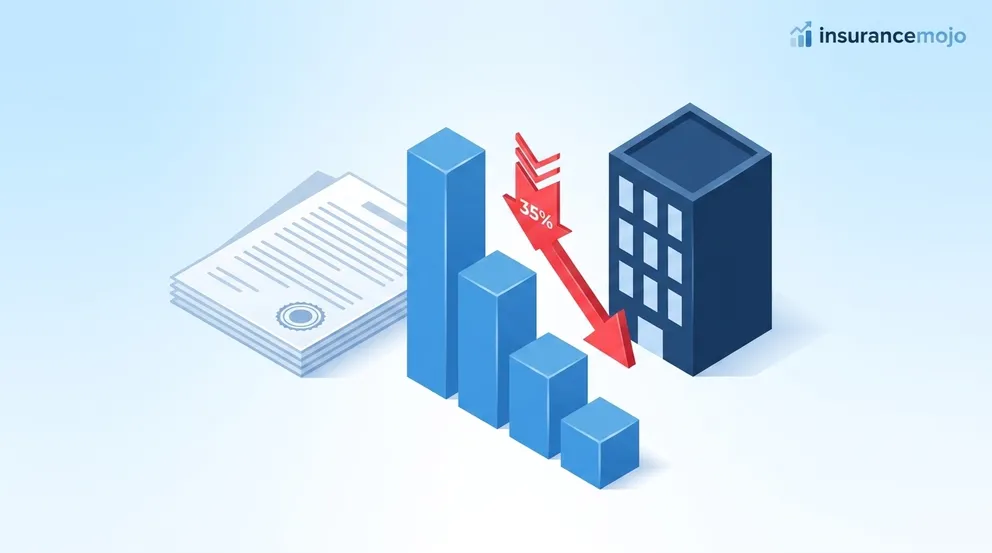
GEICO's pre-tax underwriting profit dropped 35% in the first quarter of 2026, falling to $1.42 billion from $2.17 billion a year earlier. Berkshire Hathaway CEO Greg Abel told shareholders Saturday in Omaha that "unprecedented shopping activity" is hitting the auto insurance market as the industry softens after three years of steep rate hikes.
The drop arrived even as Berkshire's overall insurance and reinsurance underwriting earnings climbed 29% to $1.717 billion, helped by an absence of major catastrophes. Abel warned investors the auto insurance pricing cycle is turning, a signal that drivers paying record premiums since 2022 may finally see real competition for their business in 2026.
- GEICO Q1 2026 underwriting profit fell $757 million, a 35% drop from Q1 2025
- Written premiums grew only 1.5% to $11.7 billion at GEICO, while Progressive grew policies 11% over the same period
- Abel cited "unprecedented shopping activity" as drivers chase lower premiums after 2022-2024 hikes
- Insurify projects a 1% national rate change in 2026 after auto premiums fell 6% in 2025
- CivicScience finds 33% of US drivers say they will switch carriers in the next 90 days, the highest reading since Q1 2018
What the Q1 Numbers Show
GEICO accounted for more than 62% of Berkshire's total insurance underwriting earnings of roughly $2.27 billion in the first quarter, yet the $757 million dollar drop reflected what Abel called a more competitive landscape across personal auto. Loss and loss adjustment expenses at the carrier rose by $853 million in the period, with higher accident frequencies and average severities pushing up costs across collision, property damage, and bodily injury claims.
Berkshire's overall first-quarter revenue rose to $81.1 billion from $77.6 billion a year earlier, helped by what Abel called "a pretty benign period" for catastrophes. The last hurricane to make U.S. landfall struck 19 months ago, leaving fresh capital free to flow back into the property and casualty market.
"As our insurance business softens, we cannot realize the value we should for the related risk," Abel said at the annual meeting.
What This Means for Drivers
Households paying more than $2,400 a year for full coverage have a real opening to cut that bill in 2026. Insurify projects a 1% national rate change this year after auto premiums fell roughly 6% in 2025, the first material drop since the post-2022 spike. 35 states will see modest increases and 15 will see decreases, with Iowa's projected 6.19% drop leading the pack, according to Insurify's affordability report.
GEICO has spent three years tightening underwriting and raising rates to repair a profitability gap, which Abel said means the carrier "cannot just restart the growth engine." That defensive posture creates room for Progressive, State Farm, and Allstate to win customers with sharper pricing and heavier ad spend. Drivers who shop now can use that competitive pressure as leverage at renewal.
If your renewal is between June and September 2026, run quotes 30 to 45 days before the renewal date. Carriers competing for new business are filing rate cuts in 15 states this year, and switching during this window can lock in savings before the cycle turns again.
The Shopping Surge Driving the Shift
Auto insurance has flipped from a hard market to a softening one within 12 months. CivicScience reports that 33% of US auto policyholders are likely to switch carriers in the next 90 days, the highest reading since Q1 2018, with 56% of drivers ages 18 to 29 saying they plan to shop. LexisNexis Risk Solutions data shows policy shopping and new business growth continuing to break records into early 2026.
Progressive grew its policies in force 11% year over year in Q1 2026 while GEICO managed only 2%, a gap that Nancy Pierce, GEICO's CEO since December 2025, has set out to close. "What I'm really focused on is our customer loyalty and retention," Pierce said in a video shown at the Berkshire annual meeting. State Farm remains the No. 1 personal auto insurer with about 18.6% market share, Progressive sits at No. 2 with 16.4%, and GEICO holds No. 3 at roughly 11.5%, per ValuePenguin and S&P Global Market Intelligence.
| Carrier | Q1 2026 Personal Auto Move | Policies in Force YoY | 2025 Direct Written Premium |
|---|---|---|---|
| State Farm | Cut Florida rates 10.1%; held No. 1 share | n/a (mutual, not disclosed quarterly) | $69.3B |
| Progressive | Aggressive new business growth; ad-spend up | +11% | $67.2B |
| GEICO | Tightened underwriting; focus on retention | +2% | $42.0B+ |
| Allstate | Q1 net income jumped sharply on lower CAT losses | Selective filings; growth resumed | ~$30B |
Sources: Q1 2026 carrier earnings releases, ValuePenguin, S&P Global Market Intelligence. Direct written premium figures reflect 2025 full-year totals from NAIC filings; PIF growth covers Q1 2026 versus Q1 2025.
Why GEICO's Cautious Stance Matters Now
GEICO posted an 87.3 combined ratio in Q1 2026, meaning more than 12 cents of every premium dollar fell to underwriting profit, Abel said. That margin sits well above the carrier's pre-2022 norms but trailed Progressive on top-line momentum, where Progressive's pre-tax operating income climbed nearly 10% in the same quarter.
Berkshire cut GEICO's headcount by nearly one-third to 29,541 employees by the end of 2025, lowering its expense base to defend the price-to-risk balance Abel described as the carrier's three-year priority. Vice Chairman Ajit Jain said in 2025 that GEICO has caught up to rivals in telematics, the in-vehicle monitoring of speed, braking, and mileage that lets insurers price safer drivers at sharper discounts.
"We've seen unprecedented shopping activity across the auto space. Anytime you increase a customer's insurance premium, especially over a period of time, people start evaluating and shopping," Abel told Berkshire shareholders.
What You Should Do Now
Pull Your Current Premium and Renewal Date
Log into your carrier's portal or call your agent. Note the exact six-month or 12-month premium, plus the date your next renewal posts.
Run Quotes With at Least Three Competitors
Compare State Farm, Progressive, GEICO, and Allstate at minimum. Match coverage limits and deductibles exactly so the comparison reflects real savings, not stripped-down policies.
Ask About Telematics Discounts
Programs like Progressive Snapshot and GEICO DriveEasy can cut safe-driver rates 10% to 30%. Abel confirmed GEICO has now caught up to rivals on telematics technology, so the discounts are competitive.
Call Your Current Carrier's Retention Team
Pierce told Berkshire shareholders retention is GEICO's top priority. Retention agents at most carriers have authority to apply loyalty discounts of 5% to 15% when shown a competing quote.
Reshop in 12 Months
The cycle is fluid. Carriers that lead on price in spring 2026 may lose that edge by 2027 as accident severity climbs back. Set a calendar reminder to repeat the process at your next renewal.
Looking Ahead
Abel said GEICO's three-year objective is to balance combined ratio, retention, and policies in force growth, with the next two annual reports likely to reveal whether the strategy works. Progressive reports Q2 2026 results in mid-July, and any pulled-back GEICO advertising will show up in those earnings via shifting market share. The Allstate Q1 2026 net income jump signals that other large carriers also benefited from quiet weather, so expect more rate filings and competitive promotions through summer.
"As we go through 26 and into 2027, two important objectives they have are: let's retain our customers and let's start growing GEICO again," Abel concluded at the annual meeting. Drivers who shop the market between now and renewal will likely capture the best of the cycle before any reversal.
Frequently Asked Questions
National rates fell about 6% in 2025, and Insurify projects a 1% increase on average for 2026. 15 states will see decreases, with Iowa expected to drop 6.19%. Individual results depend on driving record, credit, vehicle, and ZIP code.
Progressive grew policies in force 11% year over year in Q1 2026 versus GEICO's 2%, after investing earlier in telematics and segmented pricing technology. Berkshire CEO Greg Abel said GEICO is now caught up on telematics but has prioritized profitability and customer retention over aggressive growth this year.
A softening market means insurers face more competition and pricing pressure, which typically results in slower rate increases or actual rate cuts. Drivers can use this leverage to shop for lower premiums or negotiate retention discounts with their current carrier.
Drivers who haven't shopped in 12 months should pull at least three quotes before their next renewal. CivicScience reports 33% of US policyholders plan to switch in the next 90 days, and carriers are competing harder for new business than at any point since 2018.
Average switchers save $400 to $1,200 a year on full coverage based on Insurify and Quadrant data, though savings depend heavily on credit, driving record, and state. Pairing a switch with a telematics program can add another 10% to 30% on top of base rate differences.
- Insurance Journal - Berkshire CEO Abel Says Insurance Becoming Increasingly Competitive (May 4, 2026)
- Carrier Management - Growth Going to be Hard: Abel Talks GEICO, Berkshire Tech Transformation (May 4, 2026)
- Reinsurance News - Berkshire Hathaway re/insurance underwriting earnings rose 29% to $1.717bn in Q1 2026
- Insurify - 2026 Car Insurance Affordability Report
- CivicScience - Auto Insurance Switching Intent Reaches Record Levels in 2026
- LexisNexis Risk Solutions - U.S. Auto Insurance Policy Shopping and New Business Growth Continue to Break Records
- ValuePenguin - 10 Largest Auto Insurance Companies (April 2026)
- Repairer Driven News - State Farm, Progressive Hold 37% of Auto Insurance Market Share, NAIC Data Shows