
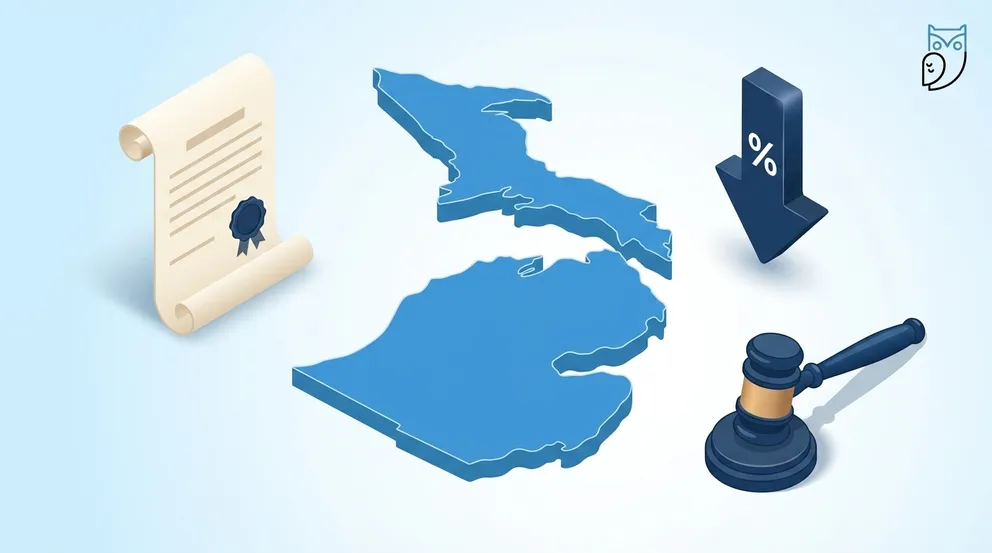
A Michigan Senate committee advanced SB 328 on a 5-3 party-line vote the week of June 15, 2026, sending a mandatory 10% auto insurance rate cut toward the full Senate floor. A companion bill, SB 247, would let policyholders sue insurers that improperly deny claims. The American Property Casualty Insurance Association is urging senators to reject the rate-cut mandate, warning that forced price controls have failed in other states.
A Michigan Senate committee voted 5-3 the week of June 15 to advance SB 328, a bill that would force every auto insurer in the state to cut premiums by at least 10% without trimming any coverage. The measure from Sen. Jeff Irwin (D-Ann Arbor) now heads to the full Senate floor, alongside a companion bill, SB 247, that would give drivers the right to sue insurers over wrongly denied claims.
For a state where the average full-coverage policy runs $3,207 a year, according to Bankrate's 2026 data, a forced 10% reduction would shave roughly $321 off the typical premium. Insurers counter that the cut would reverse years of progress and could push carriers out of Michigan entirely.
- SB 328 would require every Michigan auto insurer to cut total premiums at least 10% on new policies and first renewals, with no reduction in benefits.
- The Senate Finance, Insurance and Consumer Protection Committee approved it 5-3 along party lines the week of June 15, 2026.
- Cutting 10% from the state's $3,207 average full-coverage premium would return roughly $321 a year to a typical driver (Bankrate, 2026).
- Companion bill SB 247 lets drivers file civil suits against insurers that wrongfully deny a valid claim.
- APCIA opposes the mandate and points to AM Best data showing Michigan premiums already fell 12% between 2019 and 2022.
What SB 328 Would Actually Change
SB 328 sets a single, blunt requirement: any insurer that issues or renews an auto policy in Michigan must apply a discount of at least 10% off the approved rate. The discount hits both new policies and the first renewal, and the bill bars carriers from clawing back the savings by cutting benefits, raising deductibles, or stripping coverage.
Irwin frames the bill as a direct check on insurer profits in a state where drivers have paid some of the nation's steepest rates for decades.
"This legislation will immediately lower our state's infamously high auto insurance rates by 10% and reduce unnecessary lawsuits by removing the incentive to deny claims, even when the claims are valid," Irwin said in a statement.
SB 247 attacks a separate problem. Right now, Michigan drivers have limited recourse when a carrier rejects a legitimate claim. The bill would let policyholders take insurers to court over improper denials, a change the industry warns could drive up litigation costs that eventually land back in premiums. A third companion measure, SB 329, would block insurers from charging reinstatement fees or higher rates after a lapse in coverage.
What It Means for Michigan Drivers
Run the math on the headline number. Bankrate pegs Michigan's average full-coverage premium at $3,207 a year in 2026, roughly 38% above the $2,315 national average that NerdWallet reported in April 2026. Strip 10% off that Michigan figure and a typical household keeps about $321 annually, or close to $27 a month.
Drivers in Detroit stand to gain the most, since the city carries the highest rates in a state that already tops national rankings. Statewide context and city-by-city numbers live on our Michigan car insurance page, and the figure matters because it sets the baseline the 10% cut would apply to.
One caution worth flagging: the committee vote moves the bill forward, but it does not lower anyone's bill yet. SB 328 still needs a full Senate floor vote, passage in the House, and a signature from Gov. Gretchen Whitmer before a single premium changes. Drivers should treat the 10% figure as a proposal, not a refund check in the mail.
Why Michigan Rates Stay Among the Nation's Highest
Michigan overhauled its no-fault system in 2019, letting drivers choose their level of Personal Injury Protection instead of mandatory unlimited medical coverage. That reform worked, at least early on. Our breakdown of the 2019 no-fault results documents how the changes pulled average costs down sharply in the first few years.
Yet rates climbed back. Insurify data shows Michigan premiums rose about 12% in 2025, ranking the state among the largest increases in the country. Part of the pressure comes from the Michigan Catastrophic Claims Association, which raised its unlimited-PIP assessment again in 2026, a hike we covered when premiums jumped that May. Severe weather adds to the load, with Michigan logging more than 100 hail events in both 2023 and 2024.
The Industry Pushback
APCIA wasted no time calling on senators to kill the bill. The trade group argues that a forced rollback ignores what actually drives premiums up: fraud, litigation, and rising repair costs.
"Michigan drivers don't need market manipulation, they need solutions that actually work. This bill ignores the root causes of rising costs and instead imposes a policy that has consistently failed in other markets," said Joe Roth, APCIA's assistant vice president for state government relations.
The industry's strongest counterpoint is data. AM Best found that Michigan's average personal auto premium dropped 12% between 2019 and 2022, while the national average rose 5% over the same stretch. Insurers say the most recent NAIC figures show the Michigan market is only now stabilizing, with carriers still paying out roughly $1.04 in claims and expenses for every $1.00 they collect in premium. A mandated 10% cut on top of a 104% combined ratio, they warn, would tip the math back into losses and shrink the number of companies willing to write policies in the state.
How Michigan Compares to California and Illinois
Michigan is not inventing rate regulation. Two other states show what mandated cuts and government oversight can look like, and the results cut both ways.
| Regulatory Model | State | Mechanism | Outcome So Far |
|---|---|---|---|
| Mandated rollback | Michigan SB 328 (proposed) | Forces a 10% cut on every policy | Cleared committee 5-3; awaiting Senate floor vote |
| Prior-approval rollback | California Prop 103 (1988) | 20% rollback plus an elected insurance commissioner | Insurers paid $1.2 billion in refunds; market later strained |
| Rate-review oversight | Illinois SB 714 (2026) | Regulators can reject unfair hikes above 10% | Passed legislature May 27, 2026; awaiting governor's signature |
Sources: California Department of Insurance and Consumer Watchdog (Prop 103 history); Illinois General Assembly and Insurance Journal (SB 714); Michigan Senate (SB 328). Premium outcomes reflect each state's reported results, not a single uniform methodology.
California's Proposition 103 experience is the cautionary tale insurers cite most often. The 1988 measure forced a 20% rollback and clawed back $1.2 billion in refunds, but critics blame its rigid prior-approval system for the carrier pullbacks that hit the state decades later. Illinois took a softer route this spring, and our explainer on the Illinois rate-review law details how regulators there will scrutinize increases rather than dictate cuts. Michigan's SB 328 sits closer to the California end of the spectrum, which is exactly why the fight over it is so loud.
What You Should Do Now
Pull Your Current Premium
Log into your insurer's portal or call your agent and write down your exact full-coverage premium. A 10% cut on a $3,207 average means about $321, but your number sets your real stake in this fight.
Compare Three Quotes Now
Don't wait on Lansing. Michigan rates vary by hundreds of dollars between carriers, so gather quotes from at least three companies and lock in savings you control today.
Review Your PIP Choice
Since the 2019 reform, you can pick your Personal Injury Protection level. Check whether your current selection still fits your health coverage and budget before your next renewal.
Contact Your State Senator
SB 328 heads to a floor vote where every senator's position matters. Call or email your representative if you want a say on the 10% mandate or SB 247's claims-denial provision.
Looking Ahead
Watch the Senate floor calendar. SB 328 and SB 247 cleared committee on party lines, which means their fate likely hinges on whether Democrats hold their majority together through a full chamber vote. Even if both pass the Senate, the House and Whitmer's desk remain.
Expect APCIA and individual carriers to lobby hard against the rate mandate at every step, citing the $1.04 combined-ratio figure and the California precedent. For Michigan's 7 million-plus licensed drivers, the practical takeaway is simple: a 10% cut is on the table, but nothing reaches your bill until the full Legislature acts.
Frequently Asked Questions
SB 328 requires a cut of at least 10% off your approved rate. On Michigan's average full-coverage premium of $3,207 a year, that works out to roughly $321 in annual savings, or about $27 a month. Your exact savings depend on your own premium.
No. As of June 2026, the bill has only cleared the Senate Finance, Insurance and Consumer Protection Committee on a 5-3 vote. It still needs a full Senate floor vote, passage in the House, and the governor's signature before any rate changes take effect.
SB 247 would give Michigan policyholders the right to file a civil lawsuit when an insurer improperly denies a valid claim. Sponsor Sen. Jeff Irwin says it removes the financial incentive for carriers to reject legitimate claims.
The 2019 reform did lower costs at first, with AM Best reporting a 12% drop in average premiums from 2019 to 2022. Since then, Michigan Catastrophic Claims Association fees, litigation, repair-cost inflation, and severe weather have pushed premiums back up about 12% in 2025, keeping Michigan among the most expensive states.
Insurers and APCIA argue that a forced cut ignores the real cost drivers and could backfire. They point to NAIC data showing Michigan carriers pay about $1.04 in claims and expenses for every $1.00 in premium, and to California's Proposition 103, where a mandated rollback was later blamed for carriers pulling back from the market.
- Insurance Journal - APCIA Tells Michigan Senate to Oppose Bill Mandating Auto Rate Reductions (June 19, 2026)
- Sen. Jeff Irwin - Legislation to Cut Auto Insurance Bills
- Bankrate - Average Cost of Car Insurance in Michigan (2026)
- Insurify - Average Car Insurance Cost in Michigan (2026)
- Insurance Journal - Illinois Passes Legislation Giving Insurance Department Oversight of Rate Changes
- California Proposition 103 (1988) - Overview and 20% Rollback
- NerdWallet - Average Car Insurance Cost (April 2026 analysis)